


What is flavoring?
Flavorings are substances or mixtures of substances added to food to specifically influence its smell and/or taste. They are found in almost all processed foods, including yogurts, baked goods, confectionery, and especially beverages.
In isotonic drinks, flavorings are used to balance the inherent taste of minerals like magnesium or potassium.
A natural flavoring may only be designated as such if the flavoring components originate exclusively or at least 95% from the specified source material.
A distinction is made between different types of flavorings: natural flavorings, natural flavoring substances, nature-identical flavoring substances, artificial flavoring substances, flavoring extracts, reaction flavorings, and smoke flavorings.
Top 3 Benefits of Flavoring
-
Flavorings are used to give food a desired aroma or to restore a lost aroma.
-
Flavoring substances can be produced naturally, nature-identically, or artificially. This allows for a wide range of taste profiles to be realized, depending on the product type and target group.
-
Flavorings can help to balance out undesirable flavor notes from electrolytes, proteins, or sweeteners. For example, in isotonic drinks, their targeted use is essential to ensure a pleasant drinking experience.
More Information on Flavoring
The European Regulation (EC) clearly distinguishes between natural flavorings, which are obtained from food or other natural sources by physical, enzymatic, or microbiological processes, and artificial flavoring substances, which are synthetically produced.
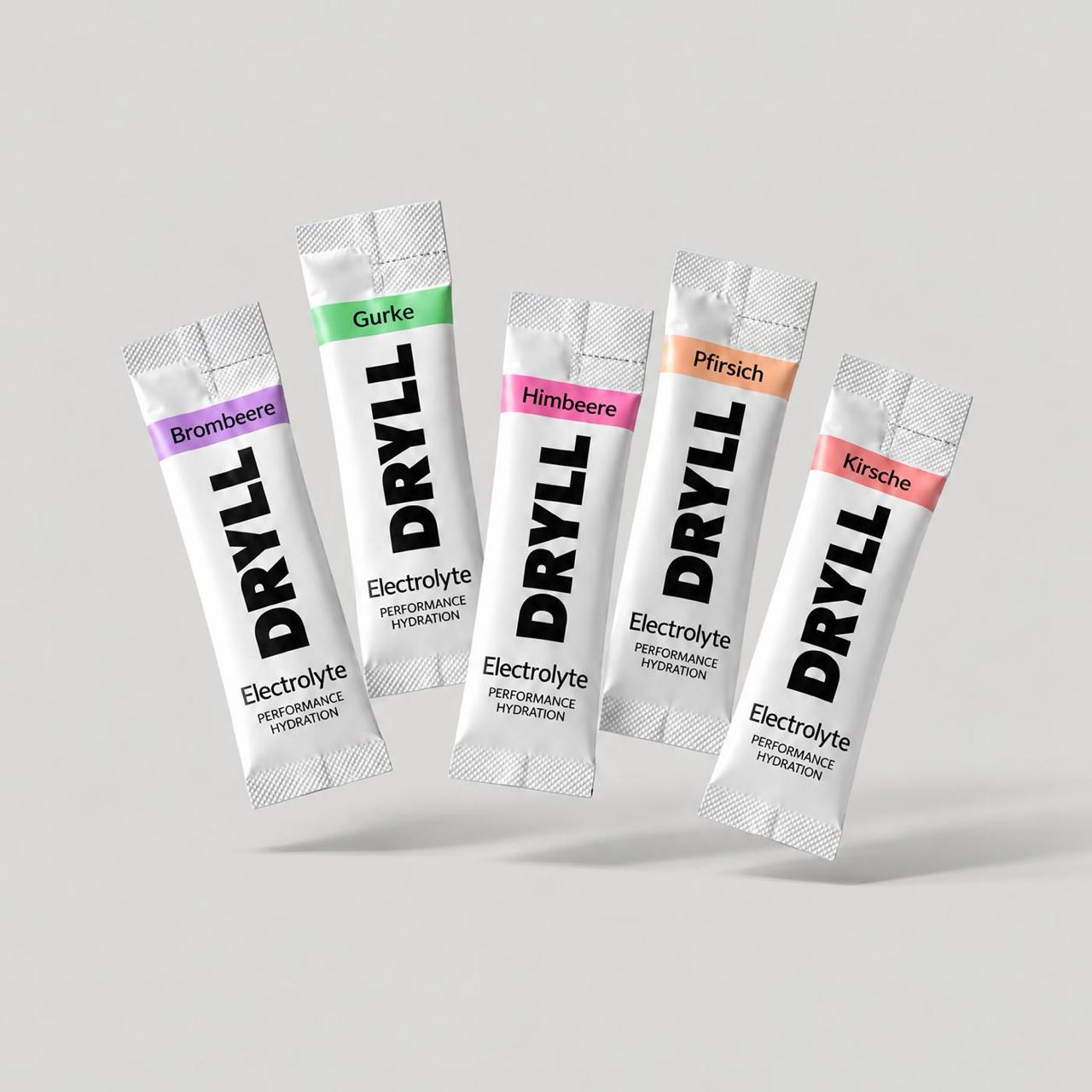
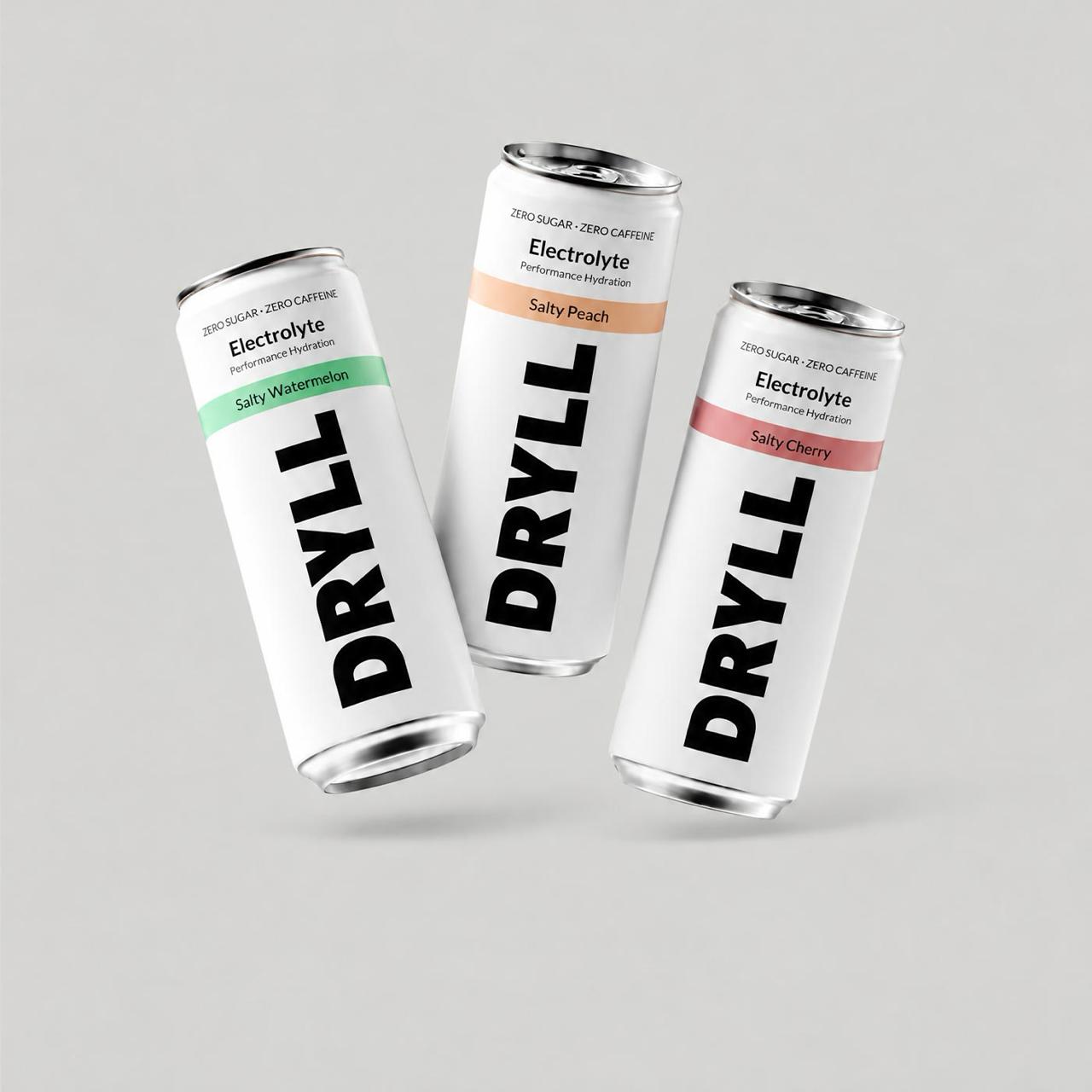
There are over 10,000 known flavoring substances, of which around 2,500 are regularly used in the food industry. Raspberry and cherry, for example, are distinguished by their intense, berry-like profile, while watermelon and peach appear milder and softer.
In total, around 1,700 flavoring substances have so far been classified as harmless to health. Only a few substances, such as coumarin, safrole, or methyleugenol, are subject to strict maximum limits or prohibitions.
FAQs on Flavoring
-
Are flavorings harmful to health?
Most approved flavoring substances are considered safe and are regularly reviewed. However, for some substances, maximum limits or prohibitions apply. -
What does “natural flavoring” mean?
The term is legally protected. It may only be used if the flavoring components originate exclusively or predominantly from natural sources (95% or more). -
Are flavorings vegan?
Not always. Whether a flavoring is vegan depends on what source materials it was made from (plant, animal, or microbiological sources).
Furthermore, some flavorings contain carrier substances such as lactose (milk sugar) or gelatin, which makes them unsuitable for a vegan diet. Such substances must be declared according to food labeling law, especially if they belong to the 14 declarable allergens, such as lactose. -
Are there differences between raspberry, watermelon, peach, and cherry flavorings?
Yes, but mainly only in taste: raspberry and cherry are more intense and berry-like, watermelon is mild and refreshing, peach is soft and sweet. The choice depends on the desired taste profile of the beverage.