


What is Sodium Chloride?
Sodium chloride (NaCl) is a chemical compound made up of the elements
sodium and chloride, commonly known as table salt. It is the main component of table salt and also an essential electrolyte.
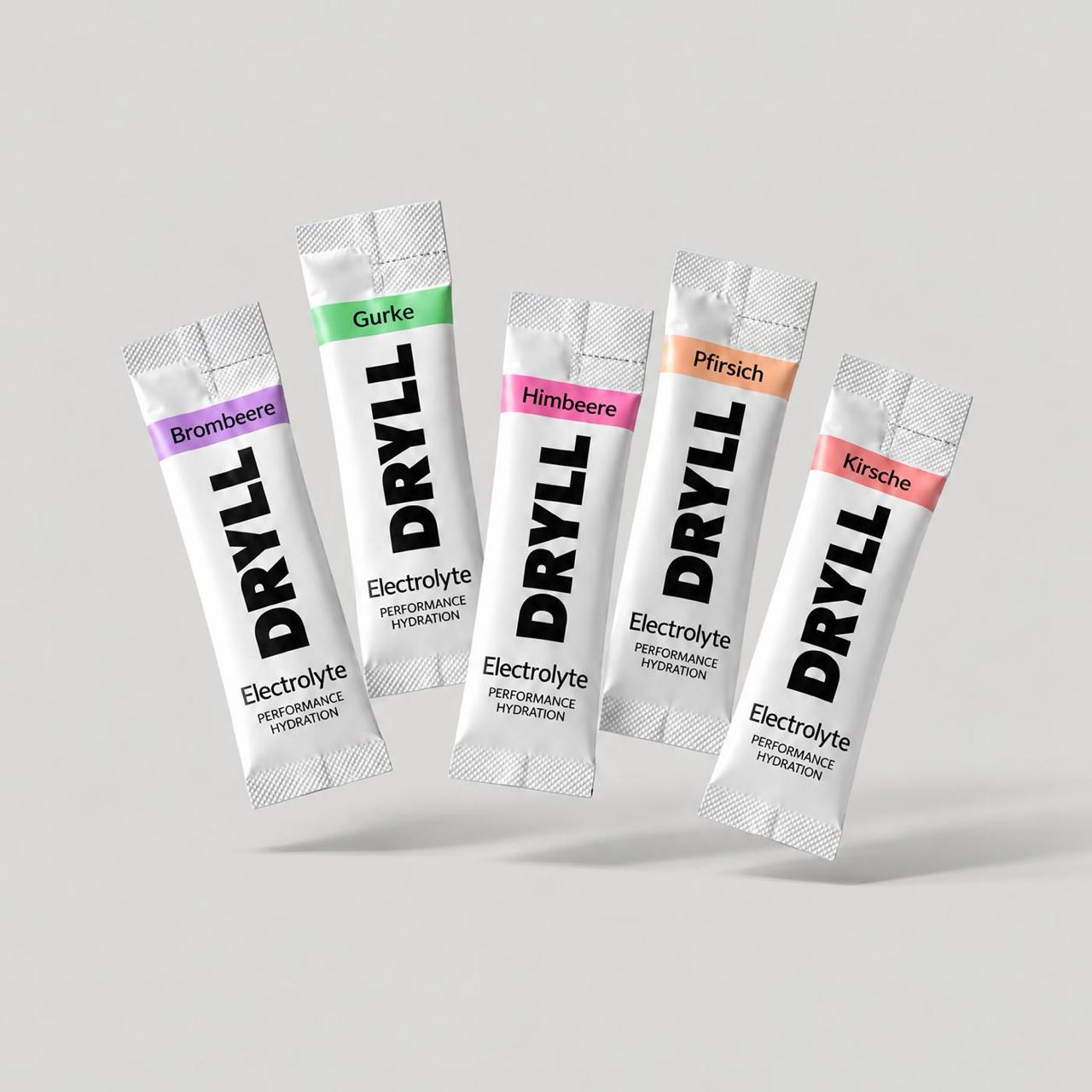
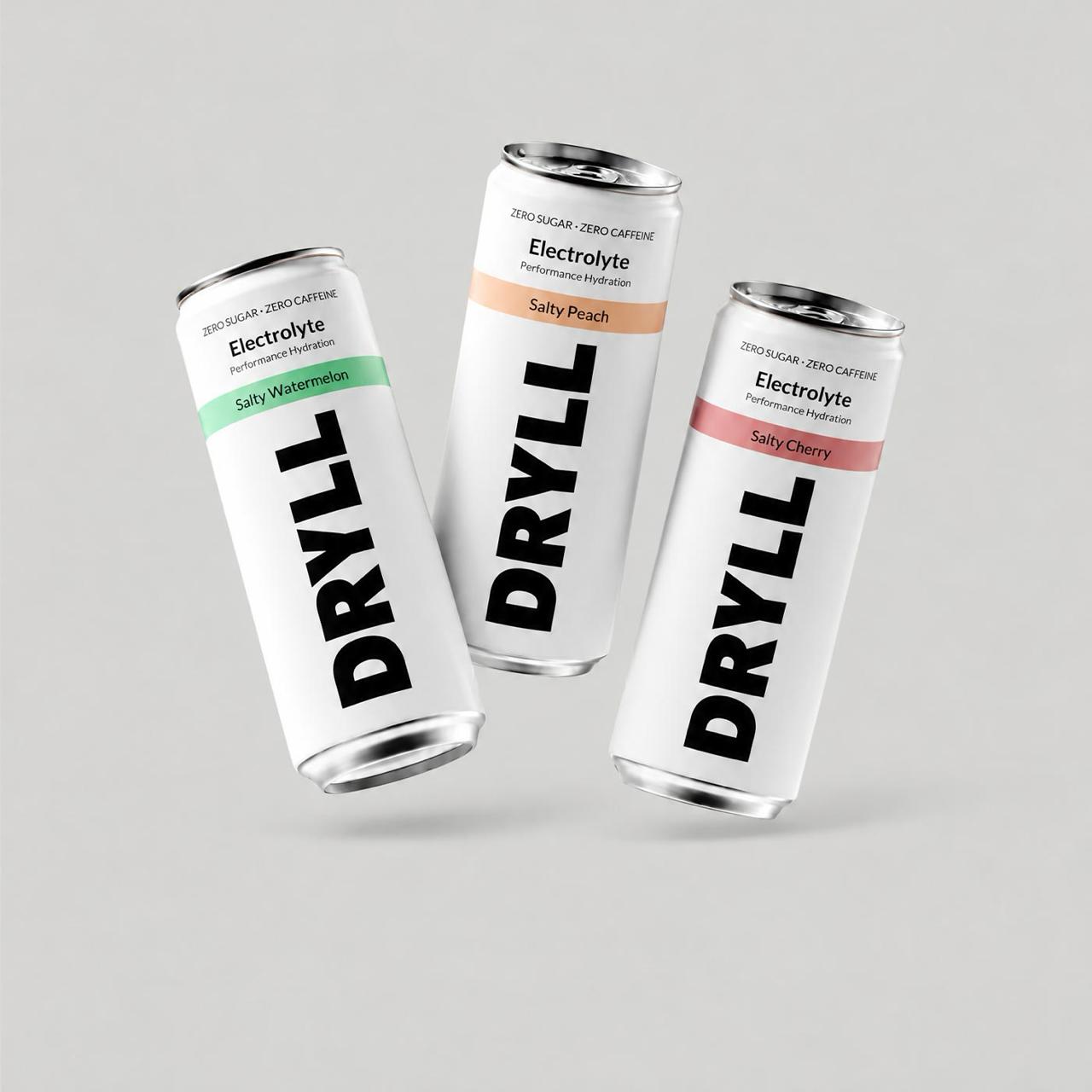
Sodium chloride is particularly relevant for athletes, as large amounts are lost through heavy sweating. Targeted intake in isotonic drinks can optimize rehydration after exertion and stabilize the body's water balance. In this function, it is a typical component of sports drinks.
Top 3 Benefits of Sodium Chloride
-
Sodium can regulate water balance by drawing water into tissues and ensuring an even distribution in the extracellular space.
-
Sodium can also promote nerve impulse transmission in the nervous system.
-
Sodium can promote the absorption of water and glucose in the intestine via sodium-glucose co-transport.
More Information on Sodium Chloride
Sodium chloride (NaCl) is a crystalline salt of sodium and chloride ions that occurs naturally as rock salt or sea salt. It is water-soluble, electrically conductive in solution, and plays a central role in the regulation of fluid balance, nerve conduction, and muscle activity.
However, the body loses large amounts of sodium through sweat during intense physical activity. Sodium chloride can help to stabilize the electrolyte balance and promote efficient water absorption in the small intestine via sodium-glucose co-transport. Therefore, it is a key component of rehydration solutions and functional drinks for sports use.
FAQs about Sodium Chloride
-
Is sodium chloride the same as table salt?
Yes, sodium chloride is the chemical name for common table salt. It consists of approximately 39% sodium and 61% chloride. -
Why is sodium chloride used in sports drinks?
Sodium can promote water absorption in the intestine and compensate for electrolyte losses through sweat, especially during intense exercise. -
Is high sodium intake dangerous?
Yes, consistently high sodium intake can increase the risk of high blood pressure and cardiovascular diseases. Therefore, health organizations recommend limiting intake to about 5–6 g of salt per day.
However, individual needs, especially with heavy sweating due to physical activity, can temporarily be significantly higher. In such cases, targeted intake via isotonic drinks is useful to compensate for electrolyte loss. The crucial point is that increased sodium intake occurs situationally and as needed, not continuously through a salt-rich everyday diet.